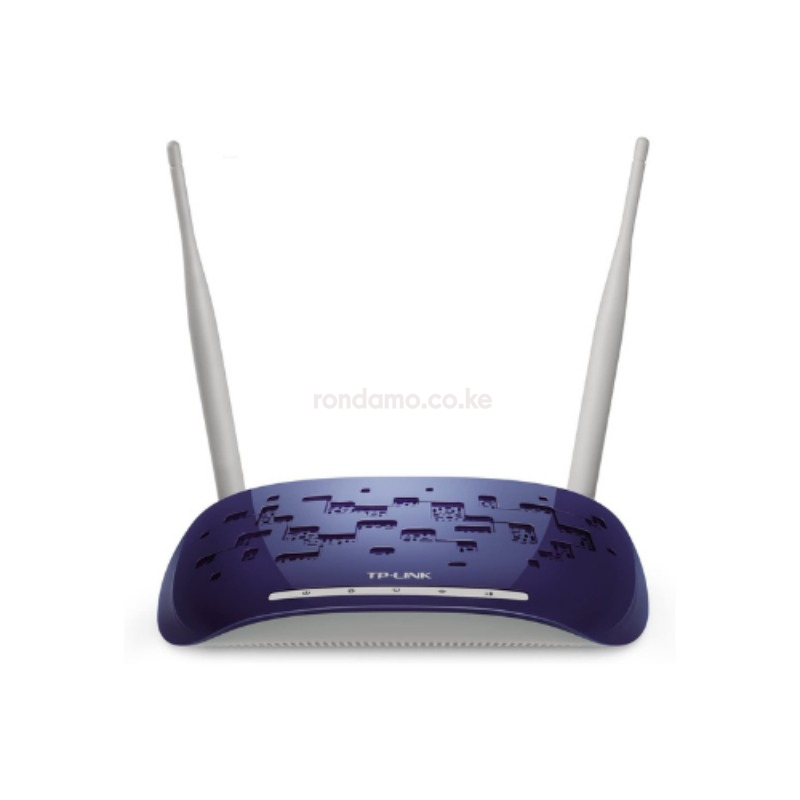
Range Extenders: Boosting Your Wi-Fi Coverage
In today's connected world, having reliable and fast Wi-Fi coverage is essential for both work and leisure. However, many homes and offices face challenges with Wi-Fi signal strength and coverage, particularly in larger spaces or areas with physical obstructions. This is where range extenders come into play. This blog post will explore what range extenders are, how they work, their benefits, key features to consider, and recommendations for some of the best models available on the market.
What Are Range Extenders?
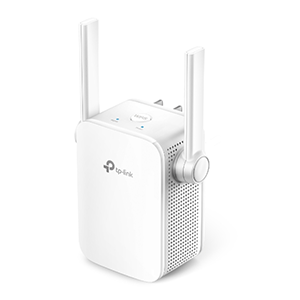
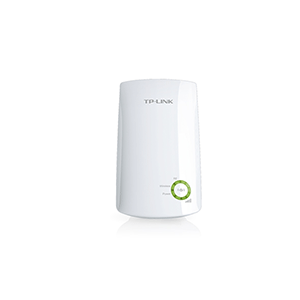
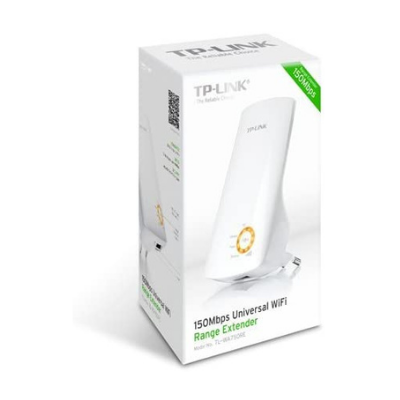
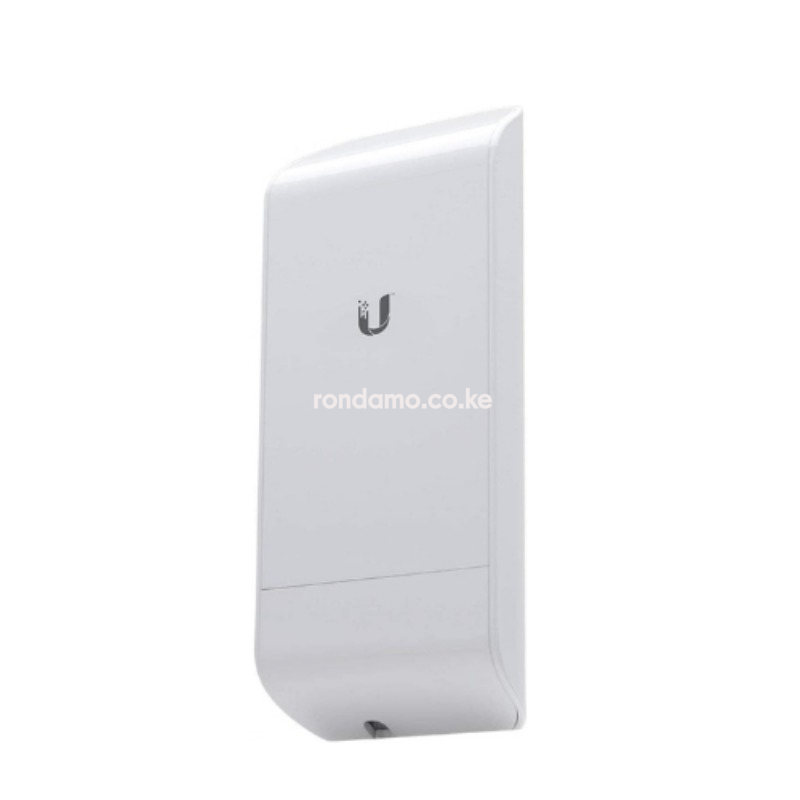
Range extenders, also known as Wi-Fi extenders or repeaters, are devices designed to boost the coverage area of a wireless network. They receive the existing Wi-Fi signal from a router and amplify it, effectively extending the reach of the network to eliminate dead zones where the signal is weak or non-existent. Range extenders are an excellent solution for enhancing Wi-Fi connectivity in homes, offices, and public spaces.
How Do Range Extenders Work?
Range extenders function by capturing the Wi-Fi signal from the router and retransmitting it. They create a secondary network that devices can connect to, providing extended coverage. The process typically involves the following steps:
- Signal Reception: The range extender is placed within the existing Wi-Fi signal's range. It receives the signal from the router.
- Amplification: The device amplifies the received signal, enhancing its strength and quality.
- Signal Transmission: The range extender retransmits the boosted signal, creating a new coverage area that devices can connect to.
It’s important to note that while range extenders can significantly improve coverage, they may also reduce the overall speed of the connection because they use the same frequency band to communicate with both the router and connected devices.
Benefits of Range Extenders
- Extended Coverage Area: The primary benefit of a range extender is its ability to expand the Wi-Fi coverage area, reaching rooms and outdoor spaces that previously had weak or no signal.
- Elimination of Dead Zones: Range extenders help eliminate dead zones, ensuring that users can enjoy a consistent and strong internet connection throughout their home or office.
- Improved Connectivity: By boosting the Wi-Fi signal, range extenders enhance connectivity for multiple devices, allowing users to stream, game, and browse without interruptions.
- Easy Setup: Most range extenders are designed for user-friendly installation, often requiring only a few steps to connect to the existing network.
- Cost-Effective Solution: Range extenders are generally more affordable than upgrading to a more powerful router or investing in a whole-home mesh network system.
Key Features to Consider
When selecting a range extender, consider the following features to ensure you choose the best option for your needs:
- Wi-Fi Standards: Look for extenders that support the latest Wi-Fi standards, such as Wi-Fi 5 (802.11ac) or Wi-Fi 6 (802.11ax), for optimal performance and speed.
- Speed Ratings: Pay attention to the speed ratings of the range extender. Higher speed ratings indicate better performance for activities like gaming and streaming.
- Dual-Band Support: Dual-band range extenders can operate on both the 2.4 GHz and 5 GHz bands, providing better flexibility and reducing congestion on the network.
- Ease of Setup: Choose a range extender with a straightforward setup process. Many models come with mobile apps or WPS (Wi-Fi Protected Setup) buttons for easy configuration.
- Security Features: Ensure that the range extender includes modern security protocols, such as WPA3 encryption, to protect your network from unauthorized access.
Recommended Range Extender Models
- Netgear Nighthawk EX7500
This dual-band range extender supports speeds up to 2.2 Gbps and is equipped with tri-band technology, allowing for better performance in high-demand environments. It features a user-friendly app for easy setup and management.
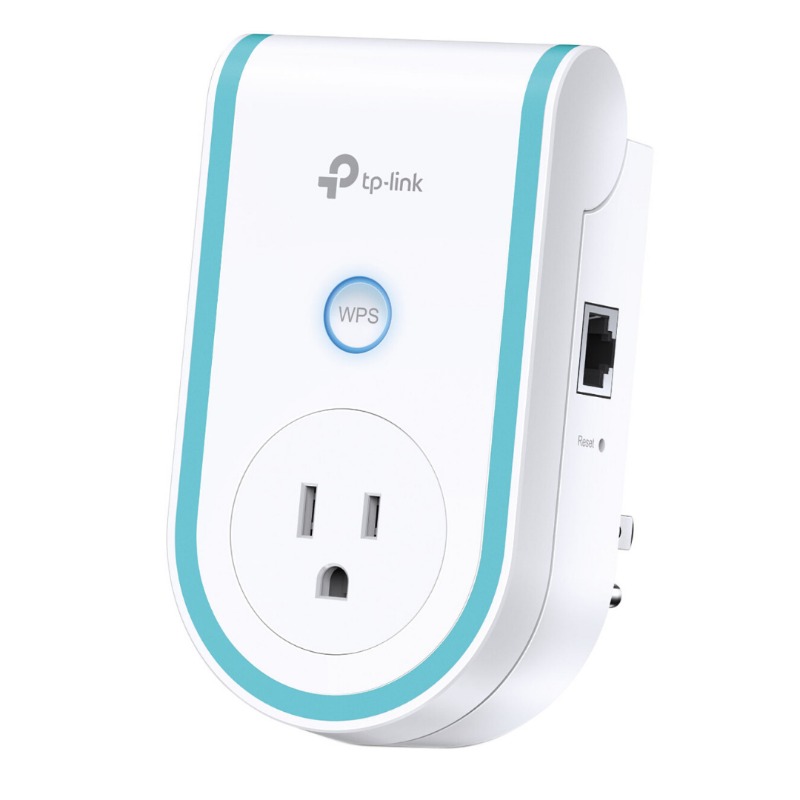
- TP-Link RE650
The TP-Link RE650 is a high-performance range extender that supports dual-band Wi-Fi with speeds up to 2.6 Gbps. It has four external antennas for better coverage and a gigabit Ethernet port for wired connections.
- Linksys RE7000
The Linksys RE7000 is a versatile range extender that supports dual-band Wi-Fi with speeds up to 1.9 Gbps. It features MU-MIMO technology for better performance when multiple devices are connected
- D-Link DAP-1610 : A budget-friendly option, the D-Link DAP-1610 supports dual-band Wi-Fi and has a compact design, making it easy to place in any outlet. It provides decent speeds and a simple setup process.
- Asus RP-AC1900
This powerful dual-band range extender offers speeds up to 1.9 Gbps and features a user-friendly interface. It supports AiMesh technology, allowing users to create a mesh network with compatible Asus routers.
Conclusion
Range extenders are invaluable tools for improving Wi-Fi coverage in homes and offices, offering an effective solution to connectivity challenges. By understanding their functions, benefits, and key features, you can choose the right range extender to meet your needs. Investing in a high-quality range extender can enhance your wireless experience, ensuring that you stay connected and productive in today’s digital world.